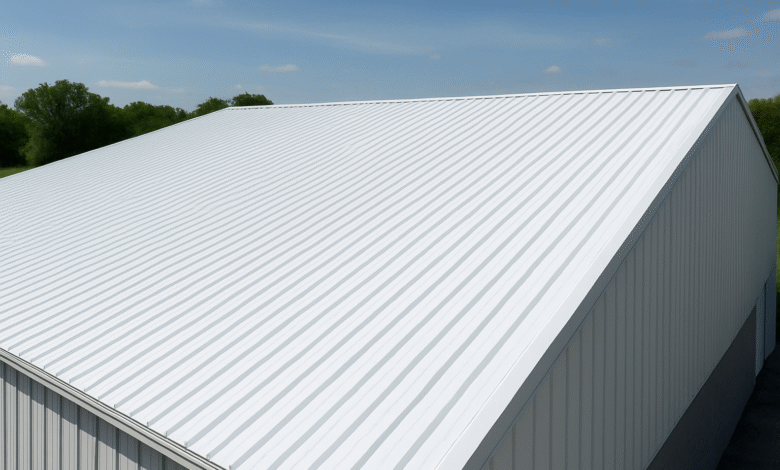
In today’s world of evolving architecture and construction, new materials are reshaping how we design safe, durable, and visually appealing spaces. One standout innovation in this space is acryldach, a roofing solution made from advanced acrylic technology. Known for its clarity, durability, and adaptability, this material is changing how homeowners, architects, and builders think about modern roofing.
Derived from the German words Acryl (acrylic) and Dach (roof), acryldach represents an innovative step forward, offering a lightweight yet robust solution that brings natural light into living and working environments without sacrificing durability. Whether for residential, commercial, or public applications, its unique properties make it a leading choice for the future of roofing.
What Is Acryldach?
Acryldach is a roofing material created from Polymethyl Methacrylate (PMMA), more commonly recognized as acrylic. Produced in flat sheets or corrugated panels, it is designed to deliver both visual clarity and structural strength. Its ability to allow sunlight to pass through while resisting UV damage, weather, and impact makes it far more versatile than traditional roofing options like asphalt or metal.
From patios and greenhouses to malls and public shelters, acryldach offers a perfect balance of functionality and design. It combines the transparency of glass, the resilience of metal, and the flexibility of modern plastics—all in one solution.
Key Advantages of Acryldach Roofing
1. Superior Light Transmission
One of the most significant benefits of acryldach is its ability to transmit natural light. Acrylic sheets can allow up to 92% of sunlight to pass through, surpassing most types of glass and plastics. This makes it the ideal choice for greenhouses, sunrooms, and retail areas where natural illumination enhances energy efficiency and indoor comfort.
2. Resistance to UV and Harsh Weather
Unlike traditional materials that fade, rust, or weaken, acryldach is treated with UV-resistant coatings to prevent discoloration and surface damage. It withstands rain, snow, strong winds, and even hail, making it reliable in different climates. Unlike metal, it will not corrode, making it especially useful in coastal or humid regions.
3. Long-Lasting Performance
With proper care, acryldach roofs can last 15 to 30 years or longer. The material resists cracking, warping, and corrosion, ensuring that structures maintain their strength and clarity over time. This long life span translates into cost savings, as replacements and repairs are less frequent compared to asphalt or wooden roofing.
4. Lightweight and Easy to Handle
Another highlight is its lightweight design, which reduces pressure on structural frameworks. Installation becomes faster and more affordable, as panels can be easily transported and mounted. Even DIY enthusiasts find acryldach manageable for smaller projects, while professionals can cover large commercial spaces with ease.
5. Customization and Aesthetic Options
Available in multiple finishes—clear, tinted, frosted, and textured—acryldach caters to diverse architectural needs. Panels can be cut, shaped, and molded into different designs, making them suitable for curved roofs, angled structures, or modern decorative applications.
6. Energy-Efficient and Cost-Effective
Although the upfront cost may be higher than cheaper options, acryldach pays off over time. Its ability to reduce reliance on artificial lighting lowers energy bills, while minimal maintenance needs keep long-term expenses low. For eco-conscious projects, it supports sustainability goals effectively.
Applications of Acryldach
-
Residential Spaces – Sunrooms, patios, pergolas, and carports benefit from the transparency and weather protection that acryldach provides. It enhances brightness and comfort while ensuring durability.
-
Commercial & Industrial Buildings – Warehouses, malls, greenhouses, and transport terminals use it to maximize daylight, cut down on electricity costs, and improve aesthetics.
-
Public & Recreational Installations – Sports arenas, parks, community centers, and swimming pool covers utilize acryldach for its ability to provide shelter while maintaining a bright, open environment.
Installation Guide: How Acryldach Roofing Works
-
Strong Framework – Requires aluminum, steel, or treated wooden frames that can support weight, wind, and snow.
-
Thermal Expansion Considerations – Gaps should be left for expansion and contraction due to temperature shifts.
-
Sealing and Fastening – Panels should be secured with non-corrosive screws, rubber washers, and weather-grade sealants for leak-proof performance.
-
Proper Slope – A minimum slope of 5–10 degrees ensures water runs off efficiently and prevents pooling.
-
DIY vs Professional Setup – DIY kits are great for smaller projects, but professional installation is recommended for large or complex roofs.
Maintenance of Acryldach Roofing
Maintaining acryldach is straightforward and low effort:
-
Cleaning – Wash every few months with mild soapy water and a soft cloth. Avoid harsh chemicals and abrasive cleaners.
-
Inspection – Regularly check for cracks, discoloration, or algae buildup to prevent long-term damage.
-
UV Protection Renewal – Apply a UV-protective spray every few years to maintain clarity and resistance.
-
Minor Repairs – Light scratches can be buffed with acrylic polish, while small cracks can be patched with repair kits.
Acryldach Compared to Other Roofing Materials
| Feature | Acryldach | Glass | Polycarbonate | Metal | Asphalt |
|---|---|---|---|---|---|
| Light Transmission | Excellent | Excellent | Very Good | Poor | Poor |
| Weight | Light | Heavy | Light | Heavy | Medium |
| UV Resistance | High | Moderate | High | High | Low |
| Durability | High | Moderate | High | Very High | Low |
| Maintenance | Low | High | Low | Low | High |
| Installation | Easy | Hard | Moderate | Hard | Moderate |
| Cost | Moderate | High | High | High | Low |
Insight: Acryldach stands out as the best balance between durability, clarity, and ease of installation, outperforming traditional roofing options.
Environmental Benefits
Sustainability is another reason why acryldach is gaining global recognition. Its ability to reduce artificial lighting lowers energy usage, while its recyclability prevents waste. Transporting lighter panels also reduces carbon emissions. These qualities make it an excellent choice for eco-friendly projects and green building certifications.
Why Choose Acryldach for the Future of Roofing?
Acryldach is more than just a roofing option—it is a smart investment in durability, aesthetics, and sustainability. Its unique ability to combine natural light, weather resistance, and long-term cost savings makes it a leading solution for modern construction. From homes to large industrial projects, it delivers the perfect mix of strength, clarity, and eco-friendliness.
FAQs About Acryldach
Q1. What is acryldach used for?
It is mainly used for roofing in spaces where natural light is important, such as sunrooms, patios, greenhouses, malls, and public walkways.
Q2. How long does acryldach last?
With proper maintenance, it can last between 15–30 years or even longer, depending on environmental conditions.
Q3. Is acryldach better than glass or metal roofing?
Yes. It is lighter than glass, doesn’t rust like metal, and requires less upkeep, while still offering excellent light transmission.
Q4. Can I install acryldach myself?
Yes, smaller DIY kits are available. However, for larger projects, hiring professionals is recommended to ensure proper sealing and structural safety.
Q5. How should I clean an acryldach roof?
Use mild soapy water and a soft cloth. Avoid abrasive cleaners or harsh chemicals that could scratch or dull the panels.